Understanding Equipment Transportation
What is Equipment Transportation?
Equipment transportation refers to the process of moving heavy machinery and other large or bulky items from one location to another. This type of transportation is essential in industries such as construction, agriculture, and manufacturing, where equipment plays a pivotal role in operations. Generally, the process involves specialized transport vehicles capable of handling oversized loads. In many cases, equipment transportation requires adherence to of both local and federal regulations, ensuring that loads are transported safely and legally.
Types of Equipment Transport Services
There are several types of equipment transport services available, each tailored to meet specific needs:
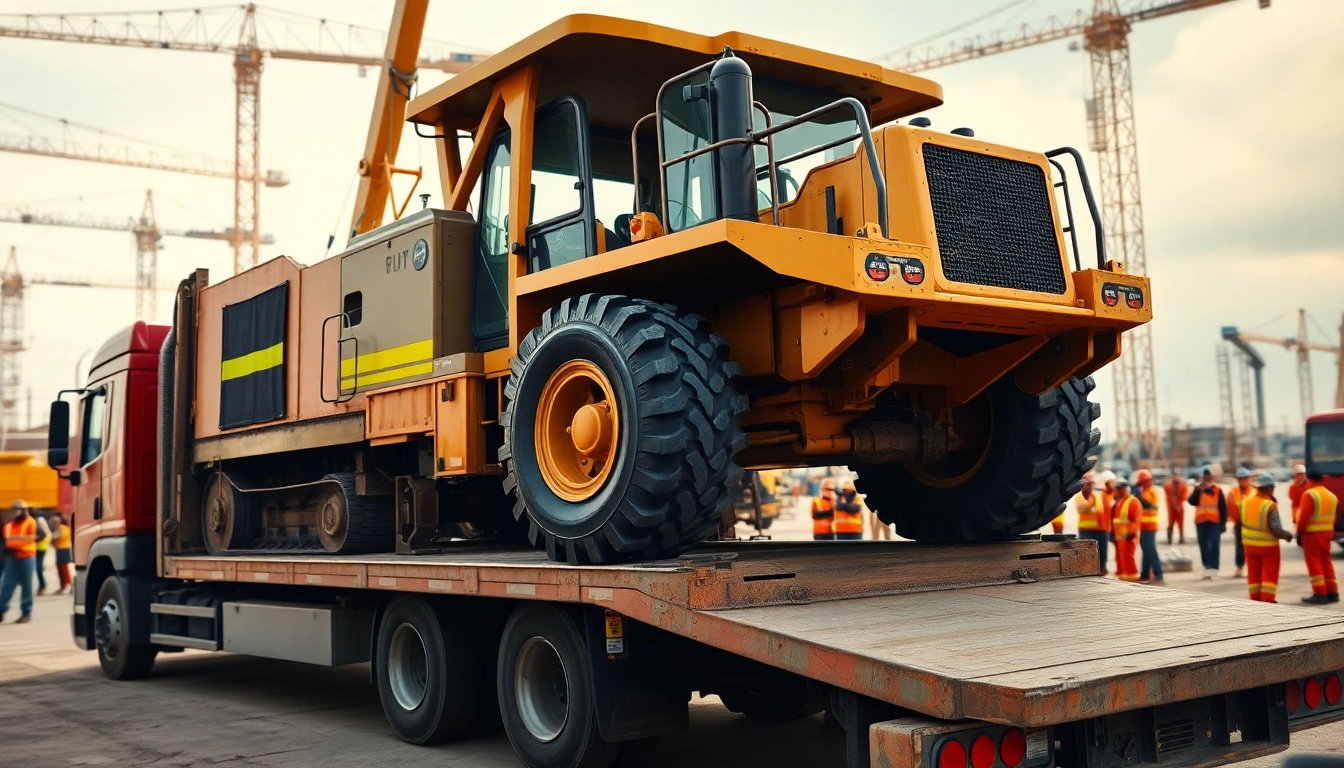
- Flatbed Transport: This is the most common method for transporting equipment. Flatbed trucks provide ease of loading and unloading, making them ideal for construction equipment.
- Lowboy Trailers: Lowboy trailers are designed for transporting taller or heavier machinery that exceeds standard height or weight limits. This type of transport is critical for oversized loads, ensuring stability and compliance with regulations.
- Enclosed Transport: For particularly valuable or sensitive equipment, enclosed transportation can protect items from weather and tampering during transit.
- Heavy Haul Transport: Heavy haul services focus specifically on transporting exceptionally large and heavy pieces of equipment using specialized trucks and trailers.
- Intermodal Transportation: This option involves combining multiple modes of transportation, such as rail and truck, to optimize efficiency and cost-effectiveness.
Importance of Professional Transport Solutions
Partnering with a professional equipment transportation service is crucial for several reasons:
- Expertise: Professional carriers possess the knowledge and skills to manage the complexities of transporting heavy equipment, including route planning and load securing.
- Safety: A professional team understands the safety protocols necessary to protect both the equipment and the public during transport.
- Regulatory Compliance: Professionals stay updated on local, state, and federal regulations to ensure compliance, minimizing the risk of fines or legal issues.
- Insurance: Reputable transport companies carry insurance to protect against damages or losses during transit.
Costs Involved in Equipment Transportation
Factors Affecting Transportation Costs
Several factors influence the cost of equipment transportation:
- Distance: The farther the transport needs to travel, the higher the costs are likely to be.
- Weight and Size: Heavier and larger equipment typically incurs higher fees due to the need for specialized vehicles and logistics.
- Type of Transport: The chosen transport method significantly affects costs; for example, lowboy trailers usually cost more than flatbeds.
- Route Conditions: If the route includes difficult terrain or urban areas, additional costs may arise to accommodate these challenges.
- Seasonal Demand: Transportation costs can fluctuate based on seasonal demand, particularly in industries like agriculture and construction.
Estimating Shipping Costs
Estimating shipping costs for equipment can be challenging due to the varying factors involved. To get a reliable estimate, consider the following steps:
- Gather Information: Know the specifications of the equipment, including dimensions and weight.
- Research Providers: Contact multiple transport services to obtain quotes.
- Consider Extras: Be aware of any additional fees, such as permits for oversized loads.
- Ask About Discounts: Inquire about potential discounts for frequent shipping or bulk loads.
Comparing Costs Across Different Services
It’s important to compare costs across different transport options. When evaluating quotes:
- Evaluate Inclusions: Ensure that all aspects of the service, including insurance and permits, are included in the quotes.
- Check Reviews: Look for customer testimonials to assess reliability and satisfaction.
- Discuss Transparency: A reputable carrier will provide clear explanations of their pricing structure without hidden fees.
Regulations and Permits for Equipment Transportation
State and Federal Regulations
Transporting equipment across state lines or even locally can be subject to various regulations:
- Weight Limits: Each state has specific weight limits, and exceeding these can result in penalties.
- Height Restrictions: Roadways often have height restrictions, particularly under bridges and in urban areas.
- Safety Regulations: Compliance with safety standards, including visible markings and safety equipment, is mandatory.
- Driver Regulations: Operators must abide by laws regarding hours of service and licensing.
Required Permits for Oversized Loads
For oversized equipment, specific permits are often required:
- Oversize Load Permits: These permits allow for the transport of oversized vehicles and loads on public highways.
- Route-Specific Permits: Certain routes may require additional permits due to local regulations.
- Escort Vehicle Requirements: If a load exceeds certain dimensions, escort vehicles may be mandatory.
Best Practices for Compliance
To ensure compliance with regulations and permits:
- Stay Informed: Regularly check for updates on local and national transport regulations.
- Document Everything: Keep copies of permits, insurance documents, and transport plans readily accessible.
- Plan Routes Thoroughly: Use accurate maps and tools to plan routes that comply with height and weight limitations.
Choosing a Reliable Equipment Transportation Provider
Qualities to Look for in a Provider
When selecting an equipment transportation company, look for the following qualities:
- Experience: A provider with a proven track record in your specific industry often delivers the most reliable service.
- Insurance Coverage: Ensure that the carrier has adequate insurance to cover potential damages or losses.
- Fleet Maintenance: A well-maintained fleet indicates a higher likelihood of safe and timely transportation.
- Customer Service: Excellent customer service is crucial for addressing any issues that may arise.
Questions to Ask Potential Carriers
Before choosing a provider, consider asking these questions:
- What is your process for securing loads during transportation?
- Do you’ve any recent customer references?
- How do you handle delays or issues that arise during transport?
- What additional fees might I expect?
Reading Reviews and Testimonials
When evaluating transport providers, consider examining:
- Online Reviews: Platforms like Google and industry-specific sites provide insights into a company’s reputation.
- Testimonials: Direct feedback from previous clients can illustrate the quality of service offered.
- Social Media Presence: Active engagement on social media may reflect a company’s commitment to communication and service.
Best Practices for Safe Equipment Transportation
Preparing Equipment for Transport
Proper preparation is key to safe equipment transportation:
- Inspection: Conduct a thorough inspection of the equipment to identify any loose parts or necessary maintenance.
- Cleaning: Clean the equipment to prevent dirt and debris from causing issues during transit.
- Securing Load: Ensure that all items are secured properly using straps or chains to prevent movement.
Ensuring Load Security During Transit
To secure your cargo effectively during transportation:
- Use Appropriate Gear: Employ suitable tarping methods and load securement devices.
- Monitor Conditions: Ensure that the transport vehicle is well-equipped for varying weather conditions.
- Regular Checks: Schedule periodic checks during long-haul transports to confirm load security.
Post-Transportation Procedures
Once the equipment has arrived at its destination, ensure the following steps:
- Inspection: Perform an inspection to check for any damages that may have occurred during transport.
- Documentation: Keep detailed records of the transport process, including any incidents.
- Feedback: Provide feedback to the transport provider regarding your experience, which can help improve their service.
FAQs
How much does it cost to transport equipment?
Transport costs range from $2 to $5 per mile, generally based on weight, size, and travel distance.
What types of transport are available?
Main transport types include road, rail, air, and water transport, each suitable for different needs.
Which is the cheapest mode of transport for heavy goods?
Waterways are typically the cheapest, especially for large or bulky items, due to lower fuel costs.
How can I prepare my equipment for transport?
Ensure your equipment is properly cleaned, secured, and that any loose parts are removed before transport.
What permits are needed for oversized loads?
Permits vary by state; check with local transportation authorities for specific requirements related to your journey.
Contact Information
Call Us: 4062607988Address: 3906 MT-40, Columbia Falls, MT 59912