Understanding Integrated Modular Systems
In today's rapidly evolving technological landscape, businesses and organizations face mounting pressures to enhance efficiency and responsiveness. One of the most promising solutions to these challenges lies in Integrated Modular Systems, which offer a cohesive approach to managing complex operations. These systems are designed to combine multiple functional modules into a single streamlined operation, allowing companies to optimize their processes and resources effectively.
What Are Integrated Modular Systems?
Integrated Modular Systems are frameworks that combine various functional modules into a unified structure. They allow for seamless communication and interaction between different modules, enabling businesses to improve functionality across their operations. The modular nature of these systems allows for flexibility, scalability, and the integration of innovative technologies in real-time, making them ideal for industries such as water treatment, waste management, and manufacturing.
Key Components of Integrated Modular Systems
The core components of Integrated Modular Systems typically include:
- Modular Units: Independent units that can be customized and scaled based on specific project requirements.
- Control Systems: Centralized systems that manage the operation and interaction of the modular units.
- Protocols for Integration: Standards that ensure compatibility between different modules, allowing them to function cohesively.
- Data Management Systems: Tools that facilitate the collection, analysis, and storage of operational data for better decision-making.
How They Differ from Traditional Systems
Unlike traditional systems, which are often rigid and difficult to adapt, Integrated Modular Systems provide unparalleled flexibility. Traditional systems may require significant downtime for updates or modifications, whereas modular systems can be reconfigured or expanded with minimal disruption. This adaptability makes them particularly beneficial for organizations with evolving needs, such as those in the water treatment and environmental sectors.
Benefits of QILEE's Integrated Modular Systems
QILEE's Integrated Modular Systems stand out in the industry due to their robust design and exceptional performance in various applications. The benefits of these systems include:
Efficiency in Water Treatment Applications
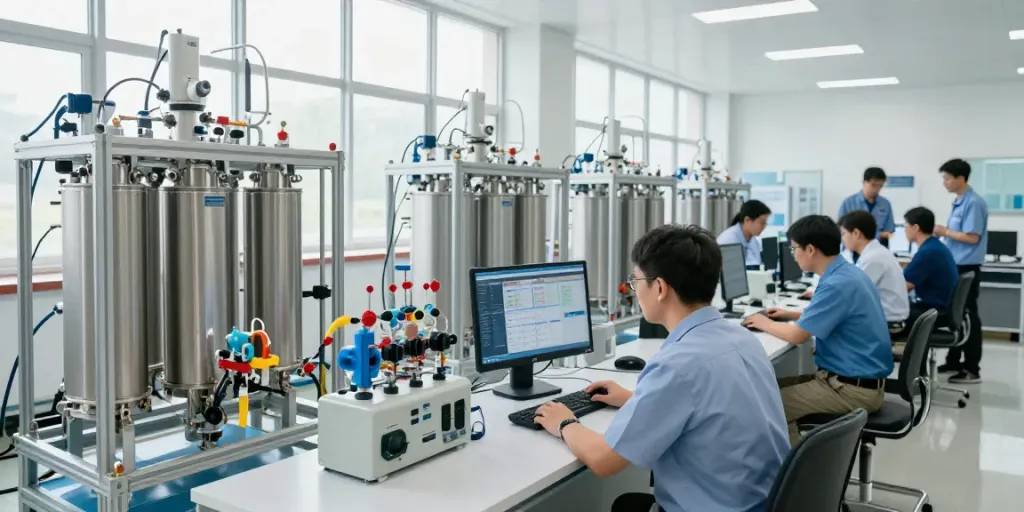
One of the primary advantages of QILEE's Integrated Modular Systems is their efficiency in water treatment applications. The systems are designed to handle a variety of water challenges, including contamination and treatment requirements. For instance, the Integration of Membrane Water Treatment Systems optimizes the filtration process, ensuring clean and safe water is produced with minimal resource consumption.
Cost-Effectiveness and Sustainability
By utilizing Integrated Modular Systems, organizations can significantly reduce operational costs. These systems are designed to be energy-efficient and water-efficient, leading to lower utility bills and enhanced sustainability. Moreover, with the ability to scale operations without massive infrastructure investments, businesses can achieve a greater return on investment (ROI).
Customizability for Specific Project Needs
QILEE’s Integrated Modular Systems are highly customizable to meet the specific needs of various projects. Organizations can select from a range of modules tailored to their operational requirements, ensuring optimal performance whether it’s for municipal wastewater treatment or industrial water management. This level of customizability not only enhances effectiveness but also allows for the integration of the latest technological advancements in water treatment.
Core Offerings in Integrated Modular Systems
QILEE specializes in a comprehensive range of integrated modular water treatment solutions. Here are some of the core offerings:
Integrated Membrane Water Treatment Systems
These systems leverage advanced membrane technology to treat water by removing contaminants effectively. They are ideal for applications in both municipal and industrial sectors, contributing to cleaner water and reducing treatment time and costs.
Chemical Treatment Systems
QILEE's chemical treatment systems incorporate the latest chemical dosing technologies to enhance treatment efficacy. These systems are designed to manage various wastewater scenarios, ensuring that the chemical processes are optimized for performance and safety.
DAF Integrated Treatment Solutions
The DAF (Dissolved Air Flotation) integrated treatment system combines chemical dosing and sludge dewatering to provide a compact, high-performance solution for wastewater treatment. This system efficiently addresses challenges related to suspended solids and ensures effective separation and treatment of water.
Applications of Integrated Modular Systems
Integrated Modular Systems are widely applicable across various sectors, each with unique requirements and challenges. Here are some key applications:
Municipal Wastewater Treatment
Municipalities benefit significantly from QILEE's integrated modular systems as they provide effective solutions for treating sewage and industrial wastewater. These systems ensure regulatory compliance while enhancing the reliability of wastewater treatment processes.
Industrial Water Management
In industrial settings, water management is crucial for maintaining operational efficiency and environmental compliance. QILEE's tailored solutions help industries tackle specific challenges associated with water usage, treatment, and reuse, thus promoting sustainable practices.
Custom Solutions for Challenging Environments
For businesses operating in challenging environments, QILEE offers customized solutions that adapt to fluctuating conditions and specific local requirements. These tailored systems ensure operational continuity and effectiveness even under difficult circumstances.
Future Trends in Integrated Modular Systems
The landscape of Integrated Modular Systems is continually evolving, driven by technological innovations and changing regulatory environments. Key trends shaping the future include:
Emerging Technologies in Water Treatment
New technologies such as artificial intelligence (AI) and machine learning are enhancing water treatment processes by enabling real-time data analysis and predictive maintenance. These advancements allow for proactive system management that can significantly improve efficiency and treatment outcomes.
Regulatory Changes and Their Impact
As environmental regulations become more stringent, Integrated Modular Systems will need to adapt to meet compliance standards. This shift will likely drive innovations in system design and operation, ensuring that organizations remain competitive while fulfilling legal obligations.
Predictions for 2026 and Beyond
Looking ahead, we can expect a greater emphasis on sustainability and resource optimization in integrated modular systems. Companies that adopt these principles will be better positioned to thrive in an increasingly eco-conscious market, with the potential for significant growth in sectors like water treatment and environmental management.
What are the main benefits of Integrated Modular Systems?
The key benefits include enhanced efficiency, cost-effectiveness, and the ability to customize solutions for specific operational needs, ultimately leading to better overall performance in water treatment and management.
How do Integrated Modular Systems function in water treatment?
These systems function by integrating various modules that work together in a cohesive framework, allowing for streamlined processes in water treatment applications. This integration facilitates real-time monitoring and adjustment, optimizing performance and compliance with regulations.
What challenges do Integrated Modular Systems solve?
Integrated Modular Systems address challenges related to flexibility, scalability, and operational efficiency. They enable organizations to adapt to changing requirements without significant downtime or reconfiguration costs, providing resilience in dynamic environments.
What is the cost range for Integrated Modular Systems?
The cost of Integrated Modular Systems can vary widely based on the complexity and scale of the installation. Typically, factors influencing cost include the specific modules selected, customization requirements, and the installation environment.
How can businesses implement Integrated Modular Systems?
Implementing Integrated Modular Systems involves a thorough assessment of operational needs, selecting appropriate modules, and ensuring that the integration aligns with existing processes. Collaborating with experienced providers, like QILEE, can facilitate a smooth transition to these advanced systems.