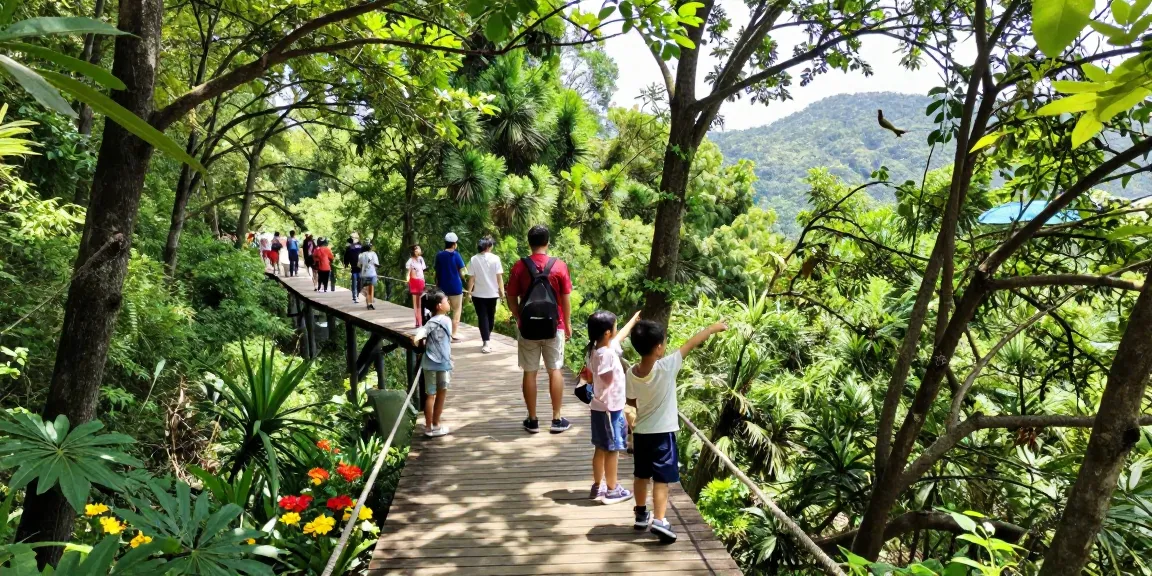
Understanding the Treetop Walkway Experience
The concept of a Treetop Walkway is captivating; it invites adventure seekers and nature lovers alike to explore the enchanting world above the forest floor. These elevated paths provide a unique perspective of the canopy, showcasing the beauty and complexity of ecosystems while offering an exhilarating experience that combines nature and adventure. From the sound of rustling leaves to the sights of diverse wildlife, walking among the treetops creates an immersive environment like no other.
What is a Treetop Walkway?
A treetop walkway is a pedestrian pathway elevated above the ground, designed to allow visitors a close encounter with the forest canopy. It typically consists of a series of interconnected bridges, towers, and platforms, usually constructed from sustainable materials to minimise environmental impact. These walkways can vary in height, from a few metres to over 70 feet, providing stunning views of the landscape below and allowing hikers to experience the forest from a totally different an angle.
Benefits of Walking Above the Canopy
Walking above the treetops offers numerous benefits, both physically and mentally. It enhances the connection to nature, promotes physical fitness, and provides an educational opportunity to learn about forestry and wildlife. From a health perspective, the exposure to fresh air and sunshine can uplift one's mood and reduce stress. Additionally, being immersed in nature has been scientifically proven to improve mental well-being.
- Connection to Nature: Being surrounded by trees and wildlife can foster a deeper appreciation for the environment.
- Physical Activity: Walking on these pathways encourages exercise and promotes healthy living.
- Educational Opportunities: Many treetop walkways feature informational signage about the local flora and fauna.
Popular Treetop Walkways Around the World
Globally, there are several notable treetop walkways that attract visitors for their unique designs and breathtaking locations. Here are a few standout options:
- Canopy Walkway, Kew Gardens, UK: This stunning walkway provides a remarkable view over the gardens, reaching heights of 18 metres.
- Wild Walk at The Wild Center, New York, USA: Visitors can tackle a thrilling course that includes suspended bridges and interactive exhibits.
- Murch Canopy Walk, Holden Arboretum, Ohio, USA: Known for its 500-foot bridge that offers spectacular views of the beautiful Cleveland landscape.
- TreeTop Walk, Valley of the Giants, Australia: This iconic walkway allows visitors to stroll among ancient tingle trees 40 metres above the ground.
Choosing Between Nature Trails and Elevated Walkways
While both nature trails and treetop walkways offer unique opportunities for connection with nature, they cater to different experiences. Understanding the nuances can help visitors choose the best option for their adventures.
Comparative Advantages of Each Experience
Nature trails provide ground-level encounters with wildlife and flora, allowing for a more tactile experience of the environment. Walking through these trails, visitors might hear the ground crunch beneath their feet or feel the chill of the breeze through the bushes. Conversely, treetop walkways elevate the experience, often providing panoramic views of vast landscapes that trails cannot offer. Additionally, the heights of these walkways can provide opportunities for birdwatching or exploring the arboreal ecosystem.
Target Audience: Who Prefers What?
Different demographics may prefer different types of walks based on their physical abilities and interests. Families with young children may find nature trails more accessible and engaging, while adventurers or tourists looking for unique experiences might prefer the thrill of a treetop walkway. Educational groups often benefit from treetop walks, as they can engage with environmental learning in an immersive setting.
Impact on Wildlife and Environment
Both nature trails and treetop walkways have unique impacts on wildlife and their habitats. Treetop walkways, often designed with minimal disturbance to the environment, allow for wildlife observation without encroaching on habitats. However, it’s crucial to ensure that both types of pathways are maintained sustainably to protect the ecosystems they showcase.
Planning Your Visit to a Treetop Walkway
Preparing for a visit to a treetop walkway requires some thoughtful planning to ensure a safe and enjoyable experience. Here are essential tips to consider before your adventure.
Essential Tips for First-Time Visitors
For those new to treetop walkways, here are valuable tips to enhance your visit:
- Check the Weather: Weather can significantly affect the experience, so plan accordingly.
- Arrive Early: This ensures a more serene experience and avoids larger crowds.
- Wear Comfortable Footwear: Proper footwear is essential for safe and enjoyable walking.
What to Pack for a Day in the Trees
When heading to a treetop walkway, packing appropriately can enhance your experience. Consider the following items:
- Water and Snacks: Hydration is key, especially during longer walks.
- Camera or Binoculars: Capture the stunning views or observe wildlife closely.
- Light Jacket: It can get cooler up in the treetops, especially if wind conditions change.
Best Times of Year to Experience Treetop Walks
The ideal time to visit treetop walkways often depends on geological factors. Generally, spring and early autumn are recommended for milder weather and vibrant foliage. Visiting during seasons of colour change can provide visually stunning experiences.
Safety and Accessibility Considerations
Ensuring safety and accessibility is paramount for treetop walkways, allowing all visitors to enjoy the beauty of the canopy without concern.
Safety Measures on Treetop Walkways
Most treetop walkways incorporate various safety features, such as handrails, non-slip surfaces, and regular structural inspections. Visitors should always follow posted guidelines and safety protocols, including weight limits, to enjoy their experience fully.
Accessibility for All Visitors
Accessibility is a critical consideration. Many modern treetop walkways are designed with ramps and elevators, ensuring that individuals with disabilities can equally partake in the experience. Before visiting, it’s essential to check the specific accessibility features of your chosen walkway.
Emergency Procedures and FAQs
Familiarise yourself with emergency procedures to enhance safety during your visit. Most walkways provide clear signage regarding emergency exits and protocols. Moreover, many sites offer FAQs to prepare visitors for possible queries regarding physical capabilities or specific rules.
The Future of Treetop Walkways in 2026 and Beyond
As ecological awareness grows, the future of treetop walkways looks promising, incorporating innovative designs and technology trends.
Innovative Designs and Technology Trends
Advancements in sustainable materials and interactive displays are transforming treetop walkways. Future designs may include augmented reality experiences that educate visitors on biodiversity, using technology to enrich the natural experience.
Predicted Growth in Eco-Tourism
With an increasing focus on environmental conservation, treetop walkways are becoming a significant attraction within the eco-tourism sector. As more individuals seek sustainable travel options, these walkways provide an excellent opportunity for responsible tourism that connects visitors to nature.
Environmental Impact and Conservation Efforts
Environmental conservation is at the forefront of modern treetop walkways. With ongoing efforts to minimise ecological footprints, many walkways actively contribute to local conservation projects, helping protect fragile ecosystems and educate visitors on the importance of preserving nature.
What makes a Treetop Walkway worth visiting?
Ultimately, the unique blend of adventure, education, and breathtaking views makes a treetop walkway an enticing option for visitors of all ages. From engaging with the environment to promoting physical well-being, the benefits are plentiful.
Where can I find Treetop Walkways near me?
Finding treetop walkways is often as simple as a quick online search or consulting local tourism boards. Many websites provide comprehensive listings, ensuring your quest for scenic vistas and wildlife encounters is rewarding.
How long does a typical Treetop Walk take?
Duration can vary significantly depending on the length of the walkway and the individual’s pace. Typically, a visit can range from an hour to several hours; thus, it’s essential to allocate enough time to fully immerse in the experience.
Are Treetop Walkways suitable for children?
Yes, most treetop walkways are designed to accommodate children, often incorporating fun elements and educational displays that engage younger visitors. However, parental supervision is essential to ensure safety.
What safety equipment is provided on Treetop Walkways?
Visitors can expect various safety features, such as handrails, safety nets, and sometimes harnessing equipment in higher or more adventurous walkways.