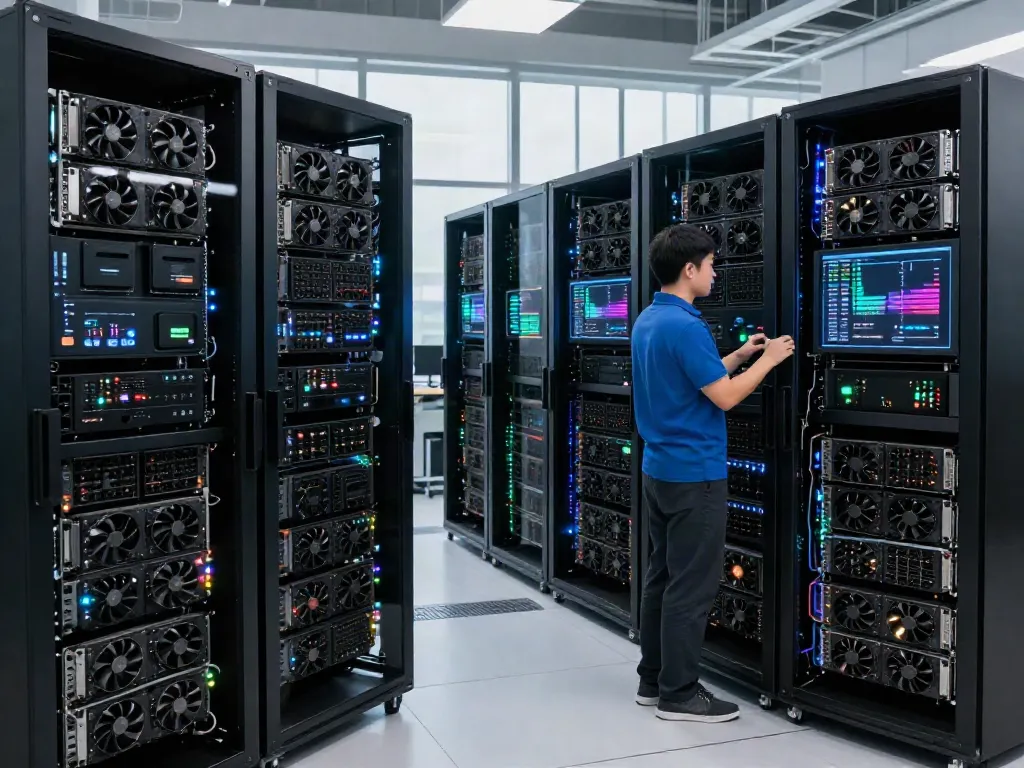
Understanding GPU Computing in AI Infrastructure
As artificial intelligence (AI) continues to evolve and integrate into various industries, the role of GPU computing has become increasingly critical. This technology not only enhances processing capabilities but also enables efficient handling of complex algorithms and large datasets. In a world where rapid data analysis and real-time processing are essential, understanding GPU computing's mechanics and benefits is vital for organizations seeking to leverage AI effectively.
What is GPU Computing?
GPU computing refers to the use of a Graphics Processing Unit (GPU) to accelerate the processing of algorithms beyond the capabilities of traditional CPUs. Originally designed for rendering images in video games, GPUs have evolved into powerful processors capable of handling parallel tasks efficiently. By leveraging thousands of cores, GPUs can perform multiple calculations simultaneously, making them ideal for AI applications that require high processing power.
The Role of GPUs in AI Workloads
In AI workloads, particularly those involving machine learning and deep learning, GPUs play a pivotal role. They are particularly effective in training neural networks, where vast amounts of data are processed. For instance, training a convolutional neural network (CNN) for image recognition involves processing multiple images in parallel, a task for which GPUs are exceptionally suited. This capability significantly reduces the training time from weeks to days or even hours, providing a competitive edge for organizations.
Benefits of GPU Computing over CPU
The advantages of GPU computing over traditional CPU processing are substantial:
- Parallel Processing: GPUs can execute thousands of threads concurrently, which enhances throughput for parallelizable tasks.
- Improved Performance: For specific applications, GPUs can outperform CPUs by up to 100 times, particularly in tasks like matrix multiplications and vector operations.
- Energy Efficiency: Given their performance capabilities, GPUs often consume less energy per unit of computation, translating into lower operational costs.
- Scalability: GPUs can easily scale with increasing data sizes and complexities without the need for equivalent increases in CPU resources.
AI Infrastructure Power Plans: Supporting GPU Needs
To fully harness the potential of GPU computing in AI infrastructure, organizations need to implement robust power solutions. AI Infrastructure Power Plans are designed to meet these specific energy needs, ensuring that GPU resources are adequately supported.
Types of Power Plans Offered
51 AIpower offers a variety of power plans tailored to different organizational needs:
- Core Power Access: Ideal for small-scale operations requiring basic GPU power support.
- Enhanced Power Access: For medium-sized AI factories that demand more significant energy resources.
- Advanced Power Access: Tailored for large enterprises with high processing loads.
- Professional Power Scale: This plan suits organizations running professional-grade workloads needing robust power allocation.
- Enterprise Power System: Designed for large-scale operations requiring extensive GPU resources and flexible power management.
How to Choose the Right Power Plan
Selecting the appropriate power plan involves assessing various factors:
- Workload Requirements: Understand your computational needs and choose a plan that aligns with your GPU resource requirements.
- Scalability: Consider future growth and select a plan that can scale with your organization.
- Cost Efficiency: Analyze the cost of each plan against the expected performance improvements to ensure a sound investment.
Calculating Contribution Rewards in AI Operations
Each power plan allows users to track and measure their contributions towards GPU power usage, which is crucial for determining rewards in the AI Token Economy. The calculation involves:
- Electricity Commitment: The amount of electricity supported by each plan is recorded to calculate respective rewards.
- Token Processing: The input and output tokens processed within the AI workloads linked to the power plan are monitored.
- Net Operational Revenues: After deducting operational costs, a participant's share of the rewards is calculated based on their contribution.
Managing GPU Resources Effectively
Efficient management of GPU resources is crucial for maximizing performance and ensuring seamless AI operations. Here are best practices for managing these resources effectively.
Best Practices for GPU Utilization
To optimize GPU performance, organizations should adopt the following practices:
- Workload Distribution: Distribute workloads among multiple GPUs to prevent bottlenecks.
- Benchmarking: Regularly test and monitor the performance of your GPUs to identify any potential inefficiencies.
- Resource Allocation: Allocate resources dynamically based on current workloads to maximize efficiency.
Monitoring and Measuring Performance
A robust monitoring strategy is essential for measuring GPU performance. Utilize tools that track:
- Usage Statistics: Monitor the utilization rates of GPUs to ensure they are being used effectively.
- Temperature and Power Consumption: Keep an eye on the thermal and power metrics to prevent overheating and excessive consumption.
- Performance Bottlenecks: Analyze workload logs to uncover any potential bottlenecks in processing.
Scaling Operations for Growing AI Demand
As AI demand continues to grow, organizations must be prepared to scale their operations. Strategies for scaling include:
- Investing in Additional GPUs: Expand your GPU fleet in alignment with growing processing needs.
- Implementing Cloud Solutions: Consider utilizing cloud-based GPU resources to augment your infrastructure flexibly.
- Optimizing Existing Resources: Use software solutions that improve the efficiency of your current GPU resources before scaling up.
Future Trends in GPU Computing and AI Infrastructure
The landscape of GPU computing and AI infrastructure is continuously evolving. Staying informed about future trends will help organizations remain competitive.
Emerging Technologies and Innovations in 2026
Several emerging technologies and innovations are set to shape the future of GPU computing in AI:
- Quantum Computing: Although still in its infancy, quantum computing has the potential to revolutionize how complex calculations are performed.
- AI-Optimized GPUs: New GPUs specifically designed for AI workloads are being developed, enhancing efficiency and performance.
- Hybrid Computing Models: The integration of classical and quantum computing may lead to unprecedented processing capabilities.
Impact of AI Advances on GPU Efficiency
Advancements in AI algorithms can lead to increased efficiency in GPU processing. Optimized algorithms can reduce the computational load required for AI tasks, benefiting from GPU capabilities without overwhelming the hardware resources.
Preparing for Future Demands in AI Token Economy
Organizations must be proactive in preparing for the evolving demands of the AI Token Economy. Strategies include:
- Investing in Flexible Infrastructure: Foster a scalable infrastructure capable of accommodating future needs.
- Continuous Training and Development: Keep teams educated on the latest technologies and processes related to GPU computing.
- Engaging with Industry Partners: Collaborate with technology partners like 51 AIpower to stay ahead of industry trends and innovations.
Frequently Asked Questions About GPU Computing
Many organizations still have questions about GPU computing and its implications for AI infrastructure. Here are some common inquiries:
How is GPU computing different from traditional computing?
Unlike traditional computing that relies heavily on CPUs, GPU computing utilizes specialized hardware designed for parallel processing, enabling it to handle more complex calculations simultaneously.
What are the cost implications of GPU power plans?
The cost of GPU power plans varies based on the required resource allocation, workload demands, and selected plan type. It's essential to consider both current operational costs and potential efficiency gains when evaluating these plans.
Who can participate in GPU computing initiatives?
Anyone interested in contributing to GPU-based AI processing can participate, ranging from individuals to large enterprises, provided they comply with the platform's terms and eligibility requirements.
What future advancements should we expect in GPU technology?
Future advancements in GPU technology may include improved energy efficiency, enhanced processing capabilities, and specialized chips designed for specific AI applications, thereby offering organizations more power and flexibility.
How can businesses effectively transition to GPU-powered AI operations?
To transition effectively, businesses should conduct thorough assessments of their current infrastructure, identify the necessary upgrades, and focus on implementing robust training programs for staff to maximize the new technology's capabilities.