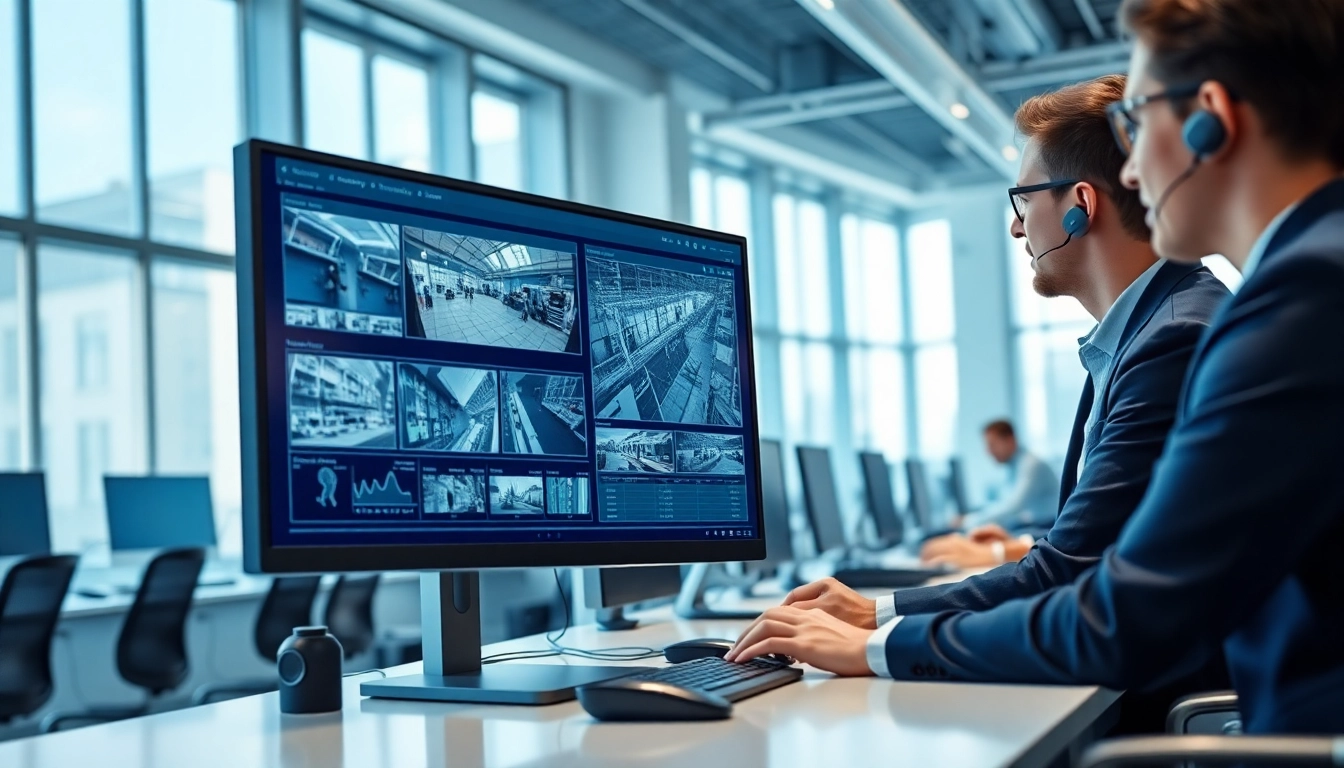
Understanding Computer Vision for CCTV
In today's fast-paced world, integrating advanced technologies into everyday systems is crucial for enhancing operational efficiency and security. One of the most revolutionary advancements is the adoption of computer vision for CCTV, which transforms traditional surveillance systems into intelligent, automated solutions capable of interpreting and analyzing visual data in real-time. This shift not only improves the effectiveness of surveillance but also significantly enhances security measures across various sectors.
What is Computer Vision?
Computer vision is a field of artificial intelligence that enables computers to interpret and understand imagery and visual information. By simulating human vision, computer vision systems can analyze images, detect patterns, and make sense of the visual world in a way that machines can respond appropriately. This includes tasks such as object detection, facial recognition, motion tracking, and more.
How Computer Vision Technology Works
The core of computer vision technology lies in the combination of various machine learning models and algorithms that process visual input. A typical computer vision system includes several key components:
- Cameras and Sensors: High-resolution imaging devices that capture visual data.
- Image Processing Algorithms: These processes refine the raw data into actionable insights by filtering, enhancing, and classifying the images.
- Machine Learning Models: Neural networks are trained on large datasets to recognize patterns and features in the images, enabling the system to identify objects and behaviors.
- Output Interfaces: The results of the analysis are displayed through dashboards, notifications, or other output forms that enable immediate action.
Through these elements, computer vision systems can not only observe but also provide insights that were previously unattainable with standard CCTV.
Benefits of Integrating Computer Vision with CCTV
The integration of computer vision with CCTV offers numerous advantages that enhance both security and operational capabilities:
- Enhanced Surveillance Accuracy: With the capability to recognize patterns and anomalies, computer vision systems significantly reduce false alarms and enhance detection reliability.
- Real-Time Monitoring: These systems can analyze feeds in real-time, providing immediate alerts to potential threats or incidents.
- Automated Reporting: Computer vision can generate analytics reports, summarizing events and activities for easy review and compliance.
- Cost-Effectiveness: By reducing the need for human monitoring and increasing response efficiency, organizations can optimize resource allocation.
- Actionable Insights: Advanced analytics enable organizations to make data-driven decisions regarding security strategies and resource deployment.
Applications of Computer Vision for CCTV
The applications of computer vision in CCTV systems are diverse and extend across various industries, showcasing its adaptability and effectiveness.
Surveillance in Public Spaces
One of the most prominent applications of computer vision in CCTV is public surveillance. Urban areas and public facilities, such as airports and malls, are increasingly equipped with computer vision systems capable of monitoring crowds, detecting behaviors that may indicate criminal activity, and identifying individuals through facial recognition technology. By enhancing situational awareness and enabling authorities to respond promptly, these systems contribute to safer urban environments.
Retail Monitoring and Customer Behavior
In the retail sector, computer vision enhances the shopping experience and improves security. Systems can analyze customer behaviors, track foot traffic, and identify theft or suspicious activities. Retailers can gain insights into customer pathways, optimizing store layouts and product placements based on analyzed shopping patterns. This dual functionality of monitoring and analytics supports businesses in improving both security and customer engagement strategies.
Traffic Management and Safety
Computer vision also plays a crucial role in traffic management. By analyzing CCTV footage from traffic cameras, systems can monitor vehicle flow, detect accidents, and manage traffic lights efficiently. The data collected can inform urban planners and engineers to improve road systems and enhance safety protocols. Moreover, automated number plate recognition ensures better enforcement of traffic regulations and reduces crime.
Common Challenges and Solutions
While the integration of computer vision with CCTV systems presents substantial benefits, several challenges must be addressed for optimal implementation.
Data Privacy Concerns
As computer vision systems often capture sensitive personal information, data privacy is a pressing concern. Organizations must ensure compliance with regulations such as GDPR and implement robust data protection measures. Solutions include anonymization techniques, secure data storage, and obtaining explicit consent from individuals being monitored.
Technical Integration Hurdles
Integrating computer vision technology with existing CCTV infrastructure can present technical challenges. Compatibility issues may arise between old hardware and new software. A solution is to gradually upgrade systems, ensuring new components can integrate seamlessly with existing technology, or opting for hybrid solutions that utilize cloud-based platforms.
Ensuring System Reliability
System reliability is critical for security applications. Regular maintenance, updates, and monitoring of the technology are essential to ensure uninterrupted service and functionality. Establishing a comprehensive support and maintenance protocol can mitigate potential downtimes and operational failures.
Best Practices for Implementation
To achieve successful implementation of computer vision for CCTV, organizations should adhere to best practices that ensure effectiveness and efficiency.
Choosing the Right Hardware
Investing in appropriate hardware is fundamental. High-resolution cameras with suitable specifications for low-light conditions enhance the quality of data collected. Additionally, selecting equipment with intelligent processing capabilities can improve overall system performance.
Software Selection for Effective Analytics
The choice of software determines the effectiveness of computer vision analytics. Organizations should look for software that not only meets their current needs but also offers scalability and integration capabilities for future advancements. Utilizing cloud-based platforms can also provide flexibility and enhance processing power.
Training Personnel for Optimal Use
Staff training plays a vital role in the successful implementation of computer vision technology. Personnel should be well-versed in interpreting analytical reports, responding to alerts, and understanding the ethical implications of surveillance technologies. Continuous training and certification can ensure that employees stay updated on the latest advancements and challenges.
Future Trends in Computer Vision for CCTV
As technology evolves, several future trends are expected to influence the development and application of computer vision for CCTV.
Advancements in AI and Machine Learning
The integration of AI and machine learning continues to evolve, enhancing the capabilities of computer vision systems. Future models will likely employ deep learning for more accurate real-time analysis, enabling systems to adapt and improve their detection algorithms based on previous outcomes.
Integration with IoT Devices
The Internet of Things (IoT) is set to enhance computer vision capabilities by facilitating the seamless connectivity of devices. CCTV systems integrated with IoT technologies can share data across platforms, enabling smarter decision-making and more comprehensive security strategies.
Enhanced Data Analytics Capabilities
With continuous advancements in processing power and big data analytics, future computer vision systems will be able to handle and analyze larger datasets. This capability will expand insights into behavioral trends and security patterns, allowing for proactive measures to be implemented before incidents occur.
Frequently Asked Questions
What is computer vision used for in CCTV?
Computer vision in CCTV is used primarily for real-time monitoring, threat detection, facial recognition, and analyzing patterns in visual data to enhance security and operational efficiency.
How does computer vision improve security?
It improves security by enabling systems to autonomously detect anomalies and alert human operators, reducing response times and minimizing false alarms through advanced analytics.
Is data privacy a concern with computer vision for CCTV?
Yes, data privacy is a significant concern. Organizations must comply with regulations and adopt measures like data anonymization and secure storage to protect individuals’ privacy.
What challenges are faced when implementing computer vision in CCTV?
Challenges include data privacy concerns, technical integration issues, and ensuring system reliability, all of which require strategic planning and management to overcome.
What are the future trends in computer vision for CCTV?
Future trends include advancements in AI, integration with IoT devices, and enhanced data analytics capabilities that will further improve the functionality and efficiency of CCTV systems.