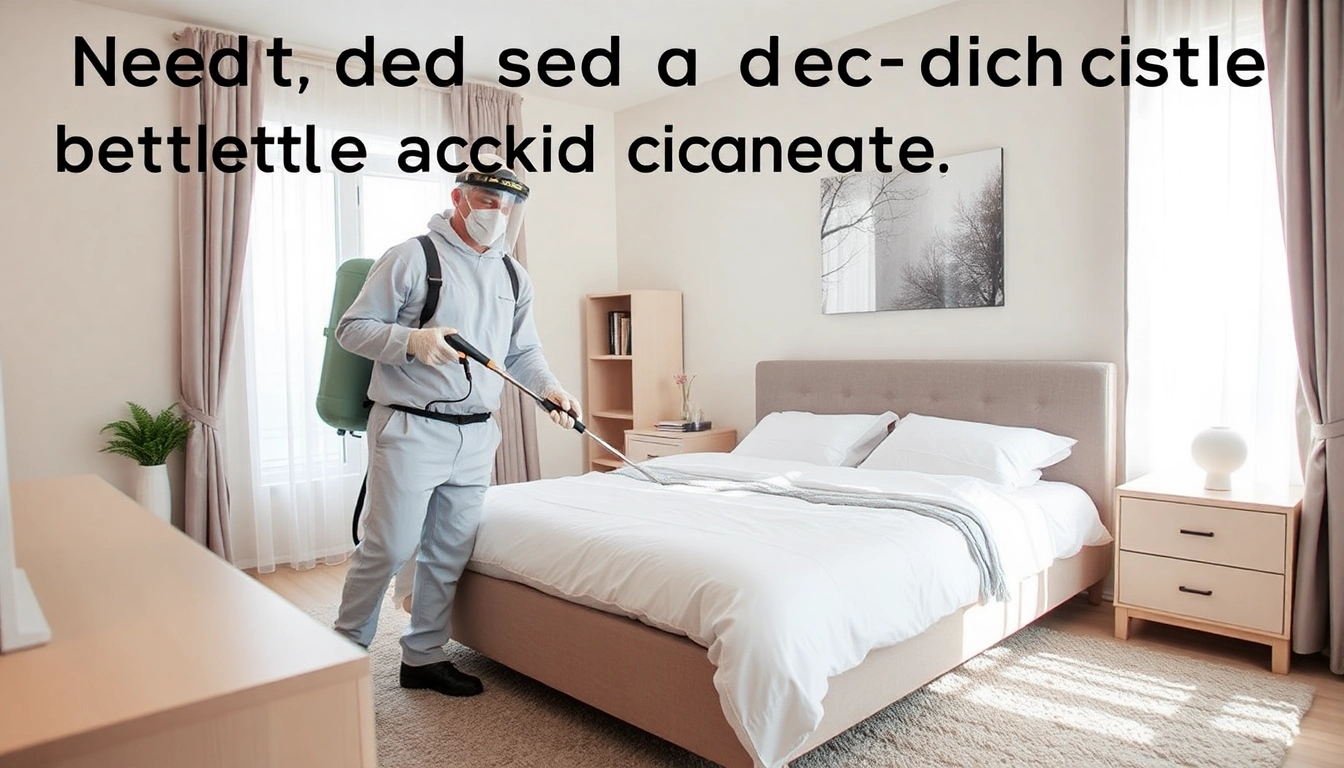
Understanding Bed Bugs and Their Habits
What Are Bed Bugs?
Bed bugs, scientifically known as Cimex lectularius, are small, nocturnal insects that feed on the blood of humans and other warm-blooded animals. They are typically flat, oval-shaped, and reddish-brown in color. Adult bed bugs are about the size of an apple seed, making them difficult to spot, especially in dim lighting. Their flattened bodies allow them to hide easily in various crevices, cracks, and folds of furniture. These pests reproduce rapidly, which makes treating an infestation challenging.
Common Signs of Infestation
Identifying a bed bug infestation early is crucial for effective bed bug pest control. Common signs include:
- Bed bug bites: Small, red, itchy welts on the skin, often in clusters.
- Dark spots: Small, dark fecal stains on sheets, mattresses, or walls, indicating the presence of bed bugs.
- Shed skins: Bed bugs molt several times, leaving behind translucent shells.
- Eggs: Tiny, pearly-white eggs that are difficult to see without close inspection.
- Unpleasant odor: Infestations can produce a musty smell, which comes from pheromones emitted by the bugs.
Life Cycle and Reproduction
The life cycle of bed bugs includes three stages: egg, nymph, and adult. They can lay anywhere between 200 to 500 eggs in their lifetime, which hatch within a week. Nymphs go through five molts before reaching adulthood, and they require at least one blood meal at each stage, making their reproduction rates alarming. Ideal conditions can lead to exponential growth, with populations doubling in a matter of weeks, emphasizing the importance of prompt action upon detection.
Best Practices for Bed Bug Pest Control
Prevention Tips for Homeowners
Preventing bed bugs requires consistent efforts in maintaining cleanliness and vigilance. Here are effective tips:
- Regularly vacuum and dust your living spaces, especially around beds and furniture.
- Use mattress and box spring encasements designed to trap bed bugs and their eggs.
- Inspect second-hand furniture before bringing it into your home.
- Be cautious when traveling; inspect hotel rooms and keep luggage elevated on racks.
- Seal cracks and crevices in walls, floors, and around the baseboards to limit bed bug entry points.
DIY Methods for Early Detection
Early detection of bed bugs can prevent larger infestations. Some DIY strategies include:
- Using interceptors beneath bed legs to trap bed bugs as they attempt to climb.
- Employing natural bed bug traps made with dish soap and water to lure and capture them.
- Regularly check the seams of mattresses, bedding, and furniture for signs of infestation.
- Conduct thorough inspections after returning from travel to catch potential hitchhikers.
When to Hire a Professional
While DIY solutions can provide temporary relief, severe infestations often require professional intervention. It's time to call an exterminator when:
- You notice extensive evidence of bed bugs throughout multiple areas in your home.
- Over-the-counter treatments have failed to produce desired results.
- Infestations are recurring despite your best control efforts.
- You are prone to allergies or experience stress and anxiety related to bed bug problems.
Chemical and Non-Chemical Treatment Options
Effective Insecticides for Bed Bug Pest Control
Chemical insecticides can effectively eliminate bed bugs when used correctly. Essential categories include:
- Pyrethroids: Commonly used synthetic chemicals that affect the nervous system of insects.
- Insect Growth Regulators (IGRs): Chemicals that disrupt the life cycle of bed bugs, preventing them from maturing or reproducing.
- Desiccants: Non-poisonous substances that damage the exoskeleton of bed bugs, dehydrating them.
Always follow label instructions when applying these products, as improper use can harm humans and pets.
Heat Treatment Techniques Explained
Heat treatment is one of the most effective non-chemical methods for eradication. It involves raising the temperature of the affected area to between 120°F and 140°F, which is lethal to bed bugs in all life stages. Key considerations include:
- Professional-grade equipment is typically required for sufficient and uniform heating.
- Personal items need to be removed to avoid heat damage.
- Heat treatment often requires the home to be vacated for several hours during the process.
Using Vacuuming and Steaming Methods
Vacuuming and steam treatment can greatly assist in controlling bed bug populations:
- Vacuuming: Regularly vacuum areas where bed bugs may hide, such as mattresses, carpets, and baseboards. Dispose of the vacuum bag immediately after use.
- Steaming: A steam cleaner can kill bed bugs on contact at temperatures of over 130°F. Pay particular attention to seams and folds of mattresses and furniture.
Preparing for Bed Bug Treatments
Essential Steps Before Treatment
Preparation is vital for the success of any bed bug treatment. Follow these steps before the treatment plan:
- Remove and launder all bedding and clothing in hot water, then dry on high heat.
- Declutter and vacuum the infested rooms to make the treatment more effective.
- Communicate any previous treatments and your observations with your pest control provider.
Cleaning and Decluttering Your Space
Effective bed bug pest control often begins with thorough cleaning. Removing clutter not only removes hiding places but also enhances the effectiveness of treatment methods:
- Dispose of items that cannot be treated or that are beyond cleaning.
- Organize belongings into sealed containers or bags to prevent re-infestation.
- Regularly clean and check under furniture and along the edges of carpets.
Post-Treatment Maintenance Practices
After treatment, ongoing vigilance is crucial for maintaining a bed bug-free environment. Recommendations include:
- Continue inspecting for signs of bed bugs on a monthly basis.
- Retain encasements on mattresses and box springs for at least one year.
- Implement routine cleaning practices, such as vacuuming and laundering bedding frequently.
FAQs About Bed Bug Pest Control
How do I know if I have a bed bug infestation?
Check for dark spots on mattresses, shed skins, and bites on your skin. Look for bed bugs primarily in sleeping areas.
What is the best method for bed bug pest control?
The best methods include a combination of chemical treatments, heat methods, and thorough cleaning. Professionals can provide comprehensive solutions.
Can bed bugs be treated without pesticides?
Yes, heat treatments and thorough vacuuming can control bed bugs without pesticides. However, complete elimination is best achieved with a combination approach.
How long does it take to get rid of bed bugs?
Depending on the severity of the infestation, treatments can take several weeks. Follow-up treatments are often necessary to ensure complete removal.
What should I do after a bed bug treatment?
Continue monitoring for signs of bed bugs, maintain cleanliness, and follow any guidelines provided by your pest control professional for the best outcome.