Understanding Bed Bugs and Their Threats
What Are Bed Bugs?
Bed bugs, scientifically known as Cimex lectularius, are small, reddish-brown insects that feed on the blood of humans and animals. Adult bed bugs are approximately 4-5 mm long, resembling apple seeds, and can live for several months without feeding. Known for their ability to hide in cracks and crevices, they often infest bedding, upholstered furniture, and other areas close to sleeping hosts. Their increasing prevalence in homes, hotels, and public spaces has made them a significant pest issue globally.
Signs of a Bed Bug Infestation
Identifying a bed bug infestation early is crucial for effective eradication. Common signs include:
- Red, itchy bites: These are often clustered in a line, appearing overnight.
- Blood stains: Tiny red spots on bedding or mattresses.
- Fecal spots: Dark brown or black specks can be found near hiding spots.
- Eggs and skins: Small, translucent eggs (about 1 mm) or shed skins can indicate a thriving population.
- Distinct odor: A sweet, musty smell from bed bug scent glands.
Health Risks Associated with Bed Bugs
While bed bugs are not known to transmit diseases, their bites can cause considerable discomfort and anxiety. Some individuals may experience severe allergic reactions to the bites, leading to secondary infections due to scratching. The psychological impact can also be significant, causing stress and sleep disturbances for those affected.
What is Bed Bug Heat Treatment?
How Does Heat Treatment Work?
The bed bug heat treatment method involves raising the temperature of infested areas to levels that are lethal to bed bugs. Typically, the ambient temperature is increased to at least 120°F (49°C) and sustained for several hours, ensuring that all life stages—including eggs, nymphs, and adults—are effectively eliminated. Heat penetrates into furniture, walls, and other hiding spots, making it a comprehensive treatment method.
Advantages of Bed Bug Heat Treatment
- Non-toxic solution: Heat treatment eliminates the need for chemical pesticides, making it safer for humans and pets.
- Effective on all life stages: It efficiently kills bugs and their eggs, which is often a significant challenge with chemical treatments.
- Quick procedure: Treatments can often be completed in one day, reducing the duration of disturbance for occupants.
- Minimal preparation required: Compared to chemical pest control, initial home preparations are less cumbersome.
- Long-lasting results: Proper application often leads to one-time removal, reducing the likelihood of future infestations.
Limitations of Heat Treatment Methods
Despite its effectiveness, heat treatment does have limitations, such as:
- Dependent on professional execution: Correctly executing the procedure requires trained professionals to ensure all areas reach the necessary temperatures.
- Cost: Initial treatment costs can be higher than traditional pest control methods.
- Potential damage: Items sensitive to high heat, like electronics and certain belongings, need to be carefully monitored.
- Follow-up treatments: In some cases, follow-up treatments may be necessary, especially if the infestation was widespread.
Preparing for Bed Bug Heat Treatment
Initial Steps Before Treatment
Preparation is critical to the success of heat treatment. Homeowners should:
- Remove any items that may be sensitive to high temperatures, such as candles, electronics, and certain fabrics.
- Clean bedding, clothing, and linens in hot water to help eliminate any clinging eggs or adults.
- Vacuum carpets, rugs, and upholstery prior to treatment to reduce the infestation level.
What to Expect During Preparation
Before the treatment, the pest control company will conduct a thorough inspection of the premises. They will assess the extent of the infestation and identify key problem areas. Homeowners may be asked to vacate the premises during the treatment process to ensure safety and efficacy.
Safety Considerations and Precautions
To ensure safety during the heat treatment process, consider the following:
- Evacuate pets and people from the home before treatment begins.
- Close all windows and doors to retain heat inside the treatment area.
- Ensure that any required items are kept away from heaters and direct heat sources to prevent damage.
The Bed Bug Heat Treatment Process
Equipment Used for Heat Treatment
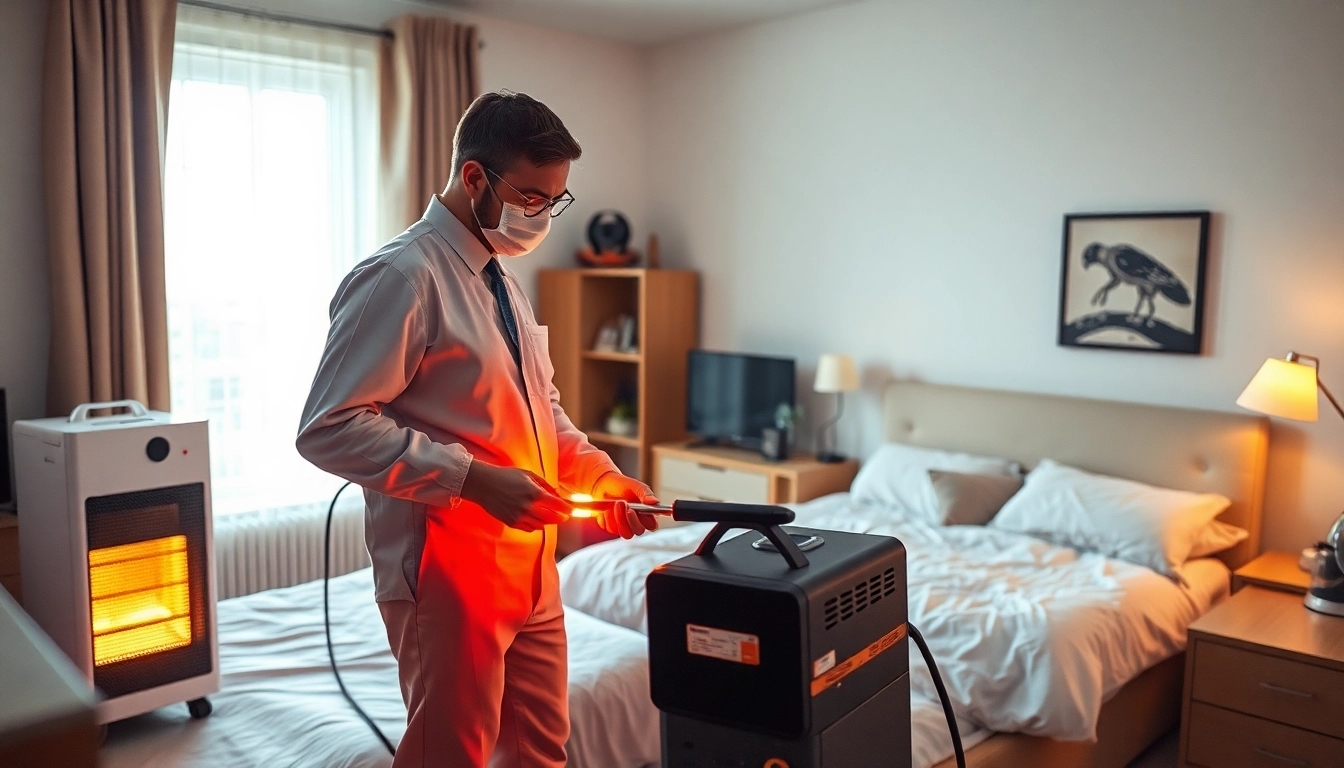
The main equipment used for bed bug heat treatment typically includes specialized heaters capable of circulating hot air throughout the treatment area. These heaters are designed to reach and maintain the necessary temperatures safely and efficiently. Monitoring devices are also essential; they help technicians track ambient temperatures to ensure that all areas achieve lethal heat levels.
The Step-by-Step Treatment Procedure
The typical bed bug heat treatment process includes the following steps:
- Preparation: Removal of sensitive items and thorough cleaning precede the treatment.
- Equipment setup: Heaters are strategically placed to optimize the flow of hot air.
- Temperature monitoring: Technicians monitor temperatures to confirm all areas are heated adequately.
- Cooling period: After sufficient heat exposure, the area is allowed to cool before re-entry.
Duration and Effectiveness of Treatment
The duration of a bed bug heat treatment typically ranges from 6 to 8 hours. This includes the time for set-up, treatment, and cooling. One of the primary advantages of this method is its effectiveness, with many homeowners reporting complete elimination after a single treatment session.
Post-Treatment Care and Prevention
How to Ensure Full Elimination
After treatment, to ensure complete elimination, follow these guidelines:
- Continue monitoring for any signs of bed bugs, particularly in the weeks following treatment.
- Replace any infested personal belongings or treat them appropriately.
- Regularly wash bedding and fabrics at high temperatures.
Preventing Future Infestations
To prevent future infestations, consider the following measures:
- Be vigilant when traveling; inspect hotel accommodations for bed bugs.
- Utilize protective mattress covers to reduce the likelihood of re-infestations from unintentional sources.
- Avoid purchasing second-hand furniture without thorough inspection.
When to Seek Professional Help
If signs of bed bug resurgence appear after treatment, or if signs of a new infestation are noticed, it's imperative to contact pest control professionals immediately. They possess the expertise and tools required to address the problem effectively.
Frequently Asked Questions
What temperature is lethal for bed bugs?
Bed bugs die at temperatures above 120°F (49°C) when maintained for at least 90 minutes, making heat treatment highly effective.
How long does a heat treatment take?
A typical bed bug heat treatment can last 6 to 8 hours, depending on the severity of the infestation and the size of the treated area.
Is heat treatment safe for my belongings?
Yes, heat treatment is generally safe for most household items that can withstand high temperatures; however, sensitive items should be removed beforehand.
Will I need to leave my home during treatment?
Yes, it’s recommended to vacate the premises during treatment and wait until the area cools adequately before re-entering for safety.
How effective is bed bug heat treatment?
Bed bug heat treatment is highly effective and often eliminates a bed bug infestation in one session; however, follow-up inspections might be necessary.