
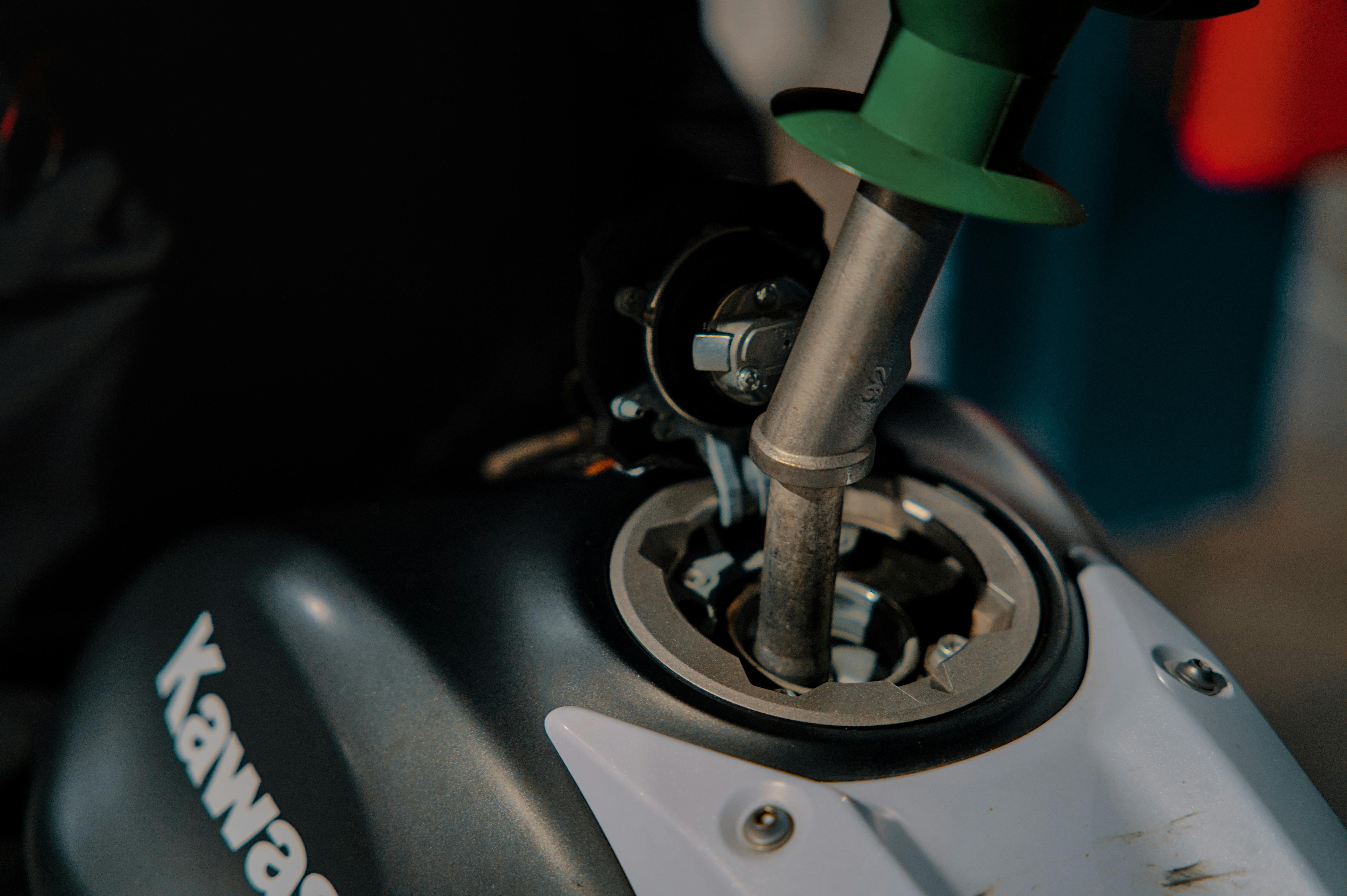
Putting diesel in petrol car is one of the most stressful fueling mistakes a driver can face, but it is also one of the most manageable if handled correctly and quickly. The outcome depends entirely on how you respond in the first few minutes after realizing the mistake.
This complete guide explains what happens, what to do immediately, common symptoms, risks, and the safest recovery process for Diesel in petrol car situations.
What Happens When Diesel Goes into a Petrol Car
Petrol engines are designed for fast-burning fuel that ignites easily using spark plugs. Diesel is thicker, slower to burn, and not suitable for petrol combustion systems.
When diesel in petrol car occurs, the fuel system starts to behave abnormally because:
- Diesel does not atomize properly
- Combustion becomes incomplete
- Fuel flow is disrupted
- Engine timing is affected
Even a small amount of diesel in petrol car contamination can begin affecting performance.
The Most Important Rule – Do Not Start the Engine
The single most important action in a diesel in petrol car situation is to avoid starting the engine completely.
Why this matters
If the engine is started, diesel will circulate through:
- Fuel pump
- Fuel lines
- Fuel injectors
- Spark plugs
- Combustion chamber
Once this happens, diesel in petrol car contamination spreads and becomes more expensive to fix.
Immediate Steps Every Driver Should Follow
If you realize the mistake at the fuel station, follow these steps immediately.
Step 1: Stop all ignition activity
Do not turn the key or press the start button after diesel in petrol car contamination.
Step 2: Keep the vehicle stationary
Avoid moving or driving the car unless absolutely necessary.
Step 3: Call professional help
Contact roadside assistance or mobile fuel drain services for diesel in petrol car recovery.
Common Signs of Diesel in Petrol Car
If the engine has already been started, symptoms may appear quickly.
Engine performance issues
A vehicle affected by diesel in petrol car contamination may show:
- Rough idling
- Loss of power
- Engine hesitation
- Poor acceleration
Starting problems
- Engine struggles to start
- Extended cranking
- Sudden stalling
Exhaust symptoms
- Excess smoke
- Strong fuel smell
- Irregular emissions
How Serious Is Diesel in Petrol Car Damage?
The severity depends on how far the contamination has spread.
Minor case
If the engine is NOT started:
- No engine damage
- Simple fuel tank draining required
- Low repair cost
Moderate case
If started briefly:
- Partial contamination of system
- Injector or spark plug cleaning may be needed
Severe case
If driven:
- Fuel system damage
- Injector and pump issues
- Possible breakdown
Key Components Affected by Misfuelling
A diesel in petrol car mistake can affect several sensitive parts.
Fuel injectors
Diesel can clog injector nozzles and reduce spray efficiency.
Spark plugs
Diesel may foul spark plugs and prevent proper ignition.
Fuel pump
Incorrect fuel can strain the pump and reduce lubrication efficiency.
Fuel filter
Filters may become blocked with residue from diesel in petrol car contamination.
What NOT to Do After Misfuelling
Avoid these common mistakes:
Do not start the engine repeatedly
This spreads diesel in petrol car fuel further into the system.
Do not try to dilute with petrol
Adding petrol does not fix contamination.
Do not continue driving
Even short distances can increase damage.
Professional Recovery Process
Experts use a structured approach to fix diesel in petrol car cases safely.
Step 1: Inspection
They check whether the engine has been started and assess contamination level.
Step 2: Fuel tank draining
All contaminated fuel is removed from the tank.
Step 3: System flushing
Fuel lines and components are cleaned to remove diesel residue.
Step 4: Filter and component checks
Filters and injectors are inspected and replaced if necessary.
Step 5: System testing
The vehicle is tested before returning to ensure safe operation.
Roadside Assistance vs Workshop Repair
Most diesel in petrol car cases can be handled roadside.
Roadside assistance
- Faster response
- On-site fuel drain
- No towing required
Workshop repair
- Needed only in severe cases
- Involves deeper engine inspection
Repair Costs Overview
Costs depend on how quickly the issue is handled.
Low cost scenario
- Engine not started
- Simple fuel drain only
Medium cost scenario
- Engine started briefly
- Cleaning and minor replacements
High cost scenario
- Vehicle driven
- Multiple components affected
Early action keeps diesel in petrol car repair costs low.
Prevention Tips for Drivers
Preventing misfuelling is easier than repairing damage.
Always confirm fuel type
Check the fuel cap label before refueling.
Stay alert while refueling
Avoid distractions like phone use.
Be careful with unfamiliar cars
Rental or borrowed vehicles increase risk of diesel in petrol car mistakes.
Do not rush
Take a few seconds to double-check before inserting the nozzle.
Why Fast Action Is Critical
Time plays a major role in minimizing damage.
Before engine start
Damage is usually zero or very low.
After engine start
Contamination spreads quickly through the system.
Delayed response
Leads to higher repair costs and more components affected.
Final Conclusion
A diesel in petrol car mistake can feel overwhelming, but it is fully manageable when handled correctly. The most important step is to avoid starting the engine and seek professional help immediately.
With fast action, most diesel in petrol car cases are resolved through simple fuel draining and cleaning. However, delaying response or driving the vehicle can lead to serious engine damage and high repair costs.