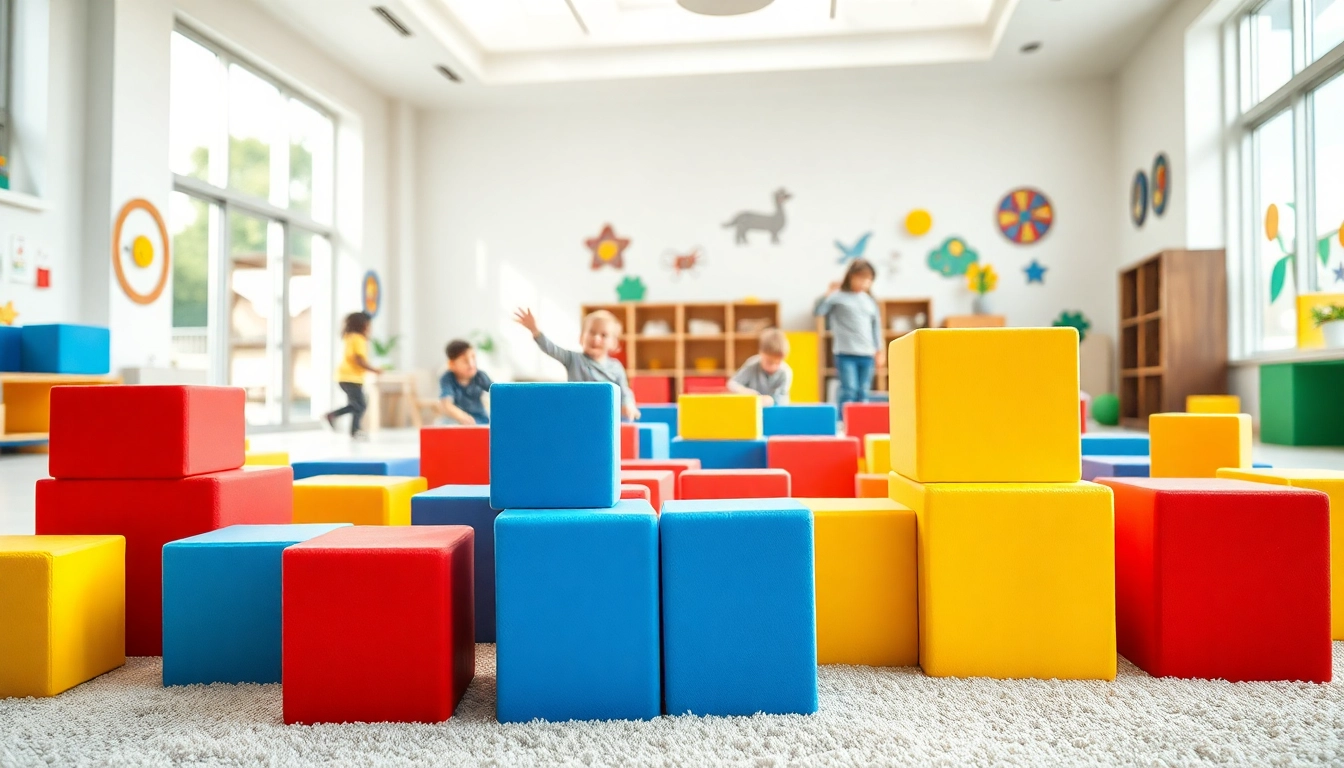
Introduction to Giant Building Blocks
Giant building blocks have transformed playtime into a creative and stimulating experience for children. These oversized toys invite endless possibilities, allowing kids to construct, collaborate, and innovate in their imaginative worlds. As an integral part of modern play, giant building blocks are not just fun; they provide essential developmental benefits. This guide offers an in-depth look at choosing these remarkable toys and exploring their potential for exciting indoor adventures. If you want to get the details on enhancing your child's play experience, keep reading.
What are Giant Building Blocks?
Giant building blocks are oversized play items typically made from various materials comprising foam, plastic, or wood. Their large size makes them easier for young children to handle while also creating impressive structures that stand out in any play area. Designed to encourage imaginative play, these blocks can be used in countless ways, whether for solo projects or collaborative efforts among friends.
Benefits of Play with Building Blocks
Playing with building blocks provides numerous cognitive and physical benefits for children. Some key advantages include:
- Enhancing Creativity: The open-ended nature of building blocks fosters creativity and imagination, allowing children to construct anything from houses to castles.
- Developing Motor Skills: Stacking and balancing blocks strengthens fine motor skills and hand-eye coordination.
- Encouraging Social Skills: Group play with blocks promotes teamwork, communication, and problem-solving abilities.
- STEM Learning: Building with blocks lays the foundation for understanding basic engineering concepts, spatial awareness, and physics principles.
Choosing the Right Blocks for Your Space
Selecting the ideal giant building blocks for your space involves considering multiple factors, such as size, material, and age appropriateness. For compact areas, consider lightweight foam blocks that can be easily moved and stored. If your play environment accommodates larger structures, heavier wooden blocks may be suitable for robust construction activities.
Age-appropriate selections are essential. Younger children benefit from softer materials to prevent injuries, while older kids may enjoy more challenging options like heavy-duty plastic blocks that can support complex builds.
Types of Giant Building Blocks
Soft Foam Blocks
Soft foam blocks are among the safest options for younger children. Their lightweight and cushioned design minimizes the risk of injury during play. These blocks are typically colorful and easy to manipulate, making them perfect for developing creativity and coordination. Foam blocks can also be used in various indoor settings, including homes, classrooms, and daycare centers.
Plastic vs. Foam Blocks
Choosing between plastic and foam blocks often depends on the intended use and age group of the children involved. Plastic blocks are typically more durable, making them suitable for outdoor play, while foam blocks excel in safety and facilitate softer interactions. Evaluate your play environment and consider mixing both materials to create a versatile selection that enhances play experiences.
Different Sizes and Shapes
Giant building blocks come in various sizes and shapes, catering to diverse play patterns and preferences. Taller blocks encourage vertical construction, while broader pieces promote stability. Utilizing a combination of shapes can stimulate imaginative design choices and add a layer of challenge for growing builders. Engage children by encouraging them to explore and create with an assortment of shapes, from simple cubes to complex triangular forms.
Creative Play Ideas for Kids
Building Structures Together
Collaborative building activities are one of the most rewarding aspects of using giant building blocks. Encourage children to work in teams to create structures together, promoting communication and cooperation. Activities like group challenges, where teams compete to build the tallest tower or the most creative design, can make playtime more exciting and engaging for everyone involved.
Incorporating Themes into Play
Thematic play can add an extra layer of interest to building activities. Kids can take inspiration from their favorite stories, movies, or real-world structures, creating themed environments like castles or space stations. Utilizing props and costumes during play can deepen the experience, allowing children to role-play while engaging their imagination fully.
Games and Challenges with Blocks
Spice up playtime with games and challenges that incorporate giant building blocks. Consider activities like building races, where children must construct a designated structure using a set number of blocks within a time limit. Alternatively, set up obstacle courses that require kids to incorporate blocks creatively while navigating the course. These games make play both fun and educational.
Safety Considerations
Choosing Non-Toxic Materials
Safety is paramount when selecting giant building blocks for children. Always opt for products made from non-toxic, child-safe materials that have been tested for harmful substances. Read labels carefully and ensure your chosen blocks meet safety standards to provide peace of mind during playtime.
Safe Play Environments
Creating a safe play environment is essential to prevent injuries. Ensure play areas are free from sharp edges, and consider soft surfaces like carpets or mats where blocks can be used. Implement guidelines for safe usage, such as establishing boundaries for play and encouraging children to avoid throwing or misusing blocks.
Supervision Tips for Parents
Parents play a crucial role in ensuring safety during play. Actively supervise children while they use giant building blocks, particularly younger ones. Encourage children to communicate if they encounter any issues. Setting ground rules will help guide play and maintain a safe atmosphere.
Conclusion and Final Thoughts
Encouraging Imagination Through Building
Giant building blocks not only serve as tools for construction but also as gateways to creativity and imagination. By offering children the freedom to explore, create, and learn, these blocks pave the way for enriched play experiences. Incorporating different materials, themes, and collaborative efforts can enhance the joy of building and bonding.
Join Building Block Events
To further inspire creativity and community engagement, consider joining local building block events or workshops. Participating in these activities allows children to meet peers with similar interests while discovering new building techniques. Such opportunities often cultivate a sense of belonging and build foundational social skills that benefit children long after the activities are over.
Where to Buy and Get the Details
When it’s time to purchase giant building blocks, seek out reputable retailers that prioritize quality and safety. By researching various options, you can find the best products that match your needs and budget. To ensure a satisfying shopping experience, don't hesitate to get the details on the available selections.
Frequently Asked Questions
What age group is suitable for giant building blocks?
Giant building blocks are suitable for a wide range of ages. Generally, soft foam blocks cater to toddlers, while sturdier materials like plastic or wood are great for older children.
How can I ensure my children play safely with building blocks?
Always supervise play, choose non-toxic materials, and create safe environments by removing hazards around play areas.
Can building blocks support educational development?
Yes! They promote creativity, fine motor skills, and foundational STEM concepts, enriching children's learning and play experiences.
What themes can I incorporate into block playtime?
Incorporate themes like castles, space, or cities. Props, costumes, and storytelling can enhance these thematic adventures.
Where can I find events for children involving building blocks?
Check local community centers, libraries, and family-focused events for workshops and gatherings centered on building block play.